
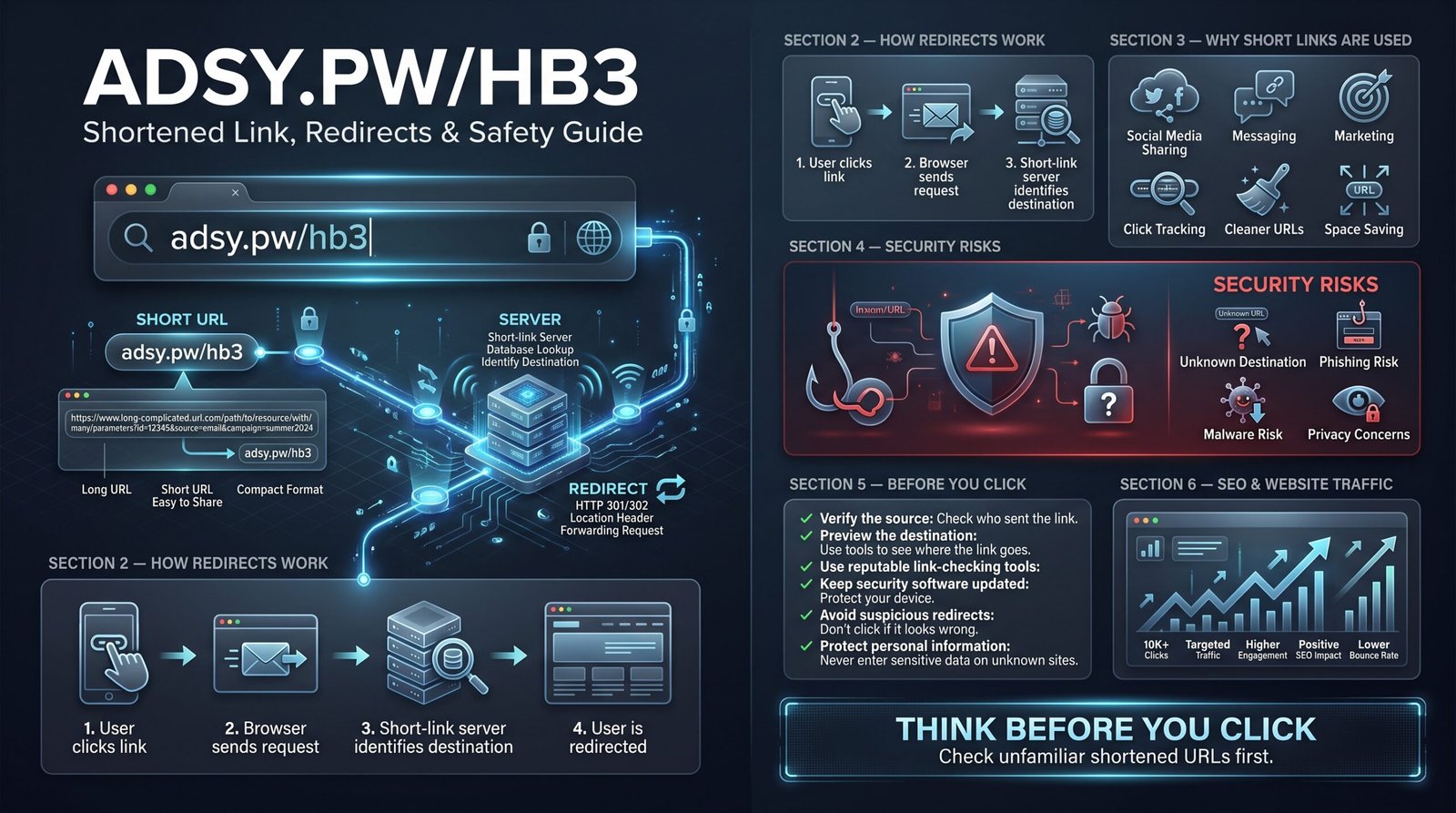
Have you ever stumbled upon a mysterious link that piqued your curiosity, leaving you wondering what secrets it holds? Enter Adsy.pw/hb3—a seemingly innocuous URL that promises to unravel an intriguing world of digital interactions. But what exactly is this link, and how does it work its magic behind the scenes? In this blog post, we’ll dive deep into the mechanics of Adsy.pw/hb3, exploring its purpose and functionality while shedding light on why it’s capturing attention in the vast expanse of cyberspace. Buckle up as we unveil the mysteries surrounding this enigmatic link!
Introduction to Adsy.pw/hb3
Have you ever stumbled upon a mysterious link like Adsy.pw/hb3 and wondered what it’s all about? You’re not alone. Shortened links have become an integral part of our online experience, but they often leave us scratching our heads. They promise convenience, yet they can also spark curiosity—sometimes even concern. So, what lies behind that seemingly innocuous string of characters? Let’s dive into the world of shortened URLs to uncover the truth about Adsy.pw/hb3 and how it operates in the digital landscape we navigate daily.
Understanding Shortened Links
Shortened links have become a staple in the digital world. They condense lengthy URLs into manageable strings, making sharing easier and more efficient.
These links serve multiple purposes. First, they save space, especially on platforms with character limits like Twitter. Second, they can hide complex URLs that may overwhelm readers or appear suspicious.
But how do they work? When you click a shortened link, it redirects you to the original URL behind the scenes. This process happens quickly and seamlessly.
While convenience is key, users should be aware of potential drawbacks. Shortened links can obscure their destination, leading to safety concerns if not used judiciously. Always proceed with caution before clicking on unfamiliar shortened links to ensure your online safety remains intact.
– Definition and Purpose
Shortened links are a digital convenience designed to simplify sharing web addresses. Instead of long, cumbersome URLs, they provide a tidy alternative that’s easy to remember and share.
Their primary purpose is to make links more manageable. This is especially useful in social media posts or text messages where character count matters. A condensed link looks cleaner and encourages clicks.
Moreover, shortened links can track engagement metrics. Marketers use them to gain insights into user behavior by analyzing how many people click their link and when. This data helps refine strategies for better outreach.
While the concept seems straightforward, it holds significant value in our fast-paced online world. Shortened links bridge the gap between lengthy URLs and effective communication, making them an essential tool for both individuals and businesses alike.
– How They Work
Shortened links, like adsy.pw/hb3, simplify long URLs into a more manageable format. They work by redirecting users from the shortened link to the original web page.
When you click on a shortened link, your browser sends a request to the URL shortening service. This service checks its database for the corresponding full link and then redirects you seamlessly.
This process usually happens in just seconds. Most services track clicks as well, providing valuable insights about user engagement and traffic sources.
The beauty of these links lies in their convenience. They’re easier to share across social media platforms or through messaging apps without overwhelming characters or space constraints.
However, while they make sharing straightforward, it’s essential to recognize that not all shortened links are safe; some may lead to harmful sites if caution isn’t exercised.
What Is Adsy.pw/hb3?
Adsy.pw/hb3 is a shortened link that serves as a gateway to various online content. Shortened links like this one are designed to simplify sharing and enhance user experience.
The components of Adsy.pw/hb3 break down into the main domain, “adsy.pw,” which is responsible for hosting the redirected content, and the unique identifier “hb3.” This identifier points users directly to specific web pages or resources.
People often use such links for convenience when sharing lengthy URLs across social media or messaging platforms. They make it easier for users to click through without dealing with cumbersome addresses.
However, it’s essential to understand why these links exist. While they streamline access, they can also mask the actual destination, raising potential concerns about safety and authenticity in some cases.
– Explanation of the Link Components
Adsy.pw/hb3 is a shortened link, but it carries more than just characters. Each component plays a crucial role in its function.
The prefix “adsy” indicates the service being used to generate the short URL. This hints at an advertising or tracking purpose behind the link. The “.pw” domain signifies that it’s registered under a specific TLD (top-level domain), often associated with personal websites or projects.
The final segment, “/hb3,” serves as a unique identifier for the original URL. It’s where all the magic happens; this code tells servers which lengthy address to redirect users to when they click on it.
Understanding these components helps demystify how such links operate and why they are so frequently encountered online.
– Why It is Used in Shortened Links
Adsy.pw/hb3 serves as a gateway to various online content. This shortened link helps make long URLs manageable and easy to share across social media platforms, emails, or text messages.
Using such links is especially beneficial for marketers. They can track engagement metrics more effectively when utilizing these shorter versions. Each click can provide valuable data on user behavior and preferences.
Shortened links also enhance the aesthetic of posts. A clean, concise URL looks neater and invites more clicks than a long, messy string of characters.
Additionally, Adsy.pw/hb3 often masks complex URLs that might discourage users from clicking due to fear of navigating away from their intended destination or encountering spammy sites.
How Redirect Links Work
Redirect links function through a straightforward process. When you click on one, the link sends a request to the server hosting it. The server then responds by directing you to another URL.
This redirection can happen in multiple ways. There are temporary redirects and permanent ones, each serving different purposes for website owners. Temporary redirects may be used during site maintenance, while permanent redirects guide users to updated content.
However, not all redirect links are safe. Some might lead to malicious sites designed to steal personal information or distribute malware. Users should always exercise caution when clicking on unknown links.
For website owners, using redirect links wisely can enhance user experience but also affects search engine optimization (SEO). Properly implemented redirects help maintain traffic flow and ensure that visitors find what they’re looking for without frustration like broken pages or dead ends.
– Brief Overview of the Process
When you encounter a link like adsy.pw/hb3, it typically leads to a redirect process. This means the original URL is hidden behind the shortened version.
Upon clicking, your browser sends a request to the server hosting that short link. The server then locates the full URL associated with it and redirects you there seamlessly.
This redirection happens quickly, usually in just a second or two. You might not even notice it happening unless you’re paying close attention.
However, it’s important to remember that this process relies on trust. Users must rely on the source of the shortened link being safe and legitimate for their browsing experience. Always proceed with caution when dealing with unfamiliar links like adsy.pw/hb3.
– Risks and Benefits for Users
When it comes to using links like adsy.pw/hb3, users face both risks and benefits. On the upside, shortened links are convenient. They save space and make sharing easier across various platforms.
However, this convenience can come with hidden dangers. One major risk involves malware or phishing attacks that may lurk behind seemingly harmless URLs. Clicking on such links could compromise your personal information or infect your device.
Another potential drawback is the loss of context. Users often have no idea where a link leads them, which might result in unwanted surprises when they click through.
Yet, some users appreciate how these links can provide analytics for marketers. The ability to track clicks offers valuable insights into audience behavior and engagement levels.
Balancing these factors is crucial when deciding whether to engage with adsy.pw/hb3 or similar links in the future.
Things to Consider Before Opening Adsy.pw/hb3
Before clicking on Adsy.pw/hb3, it’s crucial to consider potential security concerns. Shortened links can sometimes mask malicious websites. Always be cautious of where a link may lead you.
Malware and phishing attacks are common risks associated with these types of redirects. Cybercriminals often use shortened URLs to disguise harmful content. Ensure your device has up-to-date antivirus software before proceeding.
Another factor is the impact on website traffic. Clicking external links can divert visitors away from original sources, potentially decreasing organic traffic for those sites. This shift might also affect search engine optimization efforts, making it important to think about long-term consequences.
Stay vigilant while browsing and protect your personal information when interacting with unknown links like Adsy.pw/hb3. Consider using URL preview tools or link expanders that show the full destination before you click through.
– Security Concerns
When dealing with links like adsy.pw/hb3, security is a major concern. Shortened URLs can lead to unexpected sites that may not be safe.
One significant risk is malware. Cybercriminals often use shortened links to disguise harmful software. Clicking on such a link could result in unwanted downloads or system breaches.
Phishing attacks are another threat associated with these links. Users might unknowingly provide personal information on fraudulent websites that appear legitimate at first glance.
Protecting your personal information becomes crucial when navigating these waters. Always verify the source of any link before clicking, especially those that seem suspicious or unfamiliar.
Staying informed and cautious will help mitigate potential risks while exploring online content linked through services like adsy.pw/hb3.
* Malware and Phishing Attacks
* Protecting Personal Information
– Impact on Website Traffic
Shortened links like adsy.pw/hb3 can significantly impact website traffic. When users click on a shortened link, they are often redirected to another site, which adds an additional layer between the user and the original content.
This redirection might lead some users to hesitate. They may question whether it’s worth clicking through or if it’s safe. As a result, this could potentially decrease the overall click-through rate for your content.
Moreover, relying heavily on link shorteners can affect organic traffic metrics. Search engines track clicks and engagement patterns closely. An increase in bounce rates from these redirects could signal lower quality to algorithms.
The effect on SEO is also noteworthy. If users frequently bypass your site due to distrust of shortened links, you may see decreased rankings over time as search engines factor in user experience signals.
* Possible Decrease in Organic Traffic
* Effect on SEO
Alternatives to Clicking on Adsy
When it comes to navigating the online world, caution is essential. Instead of clicking on adsy.pw/hb3, consider alternative methods for accessing the content you seek. Always look for reputable sources or original links that provide direct access without the need for shortening services.
You can also utilize link checkers available online. These tools allow users to preview shortened links before opening them, ensuring safety and security. If you’re unsure about a specific link’s credibility, conducting a quick search can yield reliable information.
Social media platforms often have community guidelines regarding shared links. Check if your network provides insights into whether a particular URL is trustworthy.
Ultimately, staying informed and cautious while browsing helps protect against potential risks associated with shortened URLs like adsy.pw/hb3. Prioritize your digital safety by being proactive and exploring safer options before making any clicks.
